







Search Results for: product development
Vietnam's Robusta Coffee Production Dilemma, Seven Reform Strategies, and the Path to Sustainable Development
Vietnam, as the world's second-largest coffee producer, is renowned for its Robusta coffee, but it suffered a severe blow during the global coffee market oversupply crisis from 2001 to 2005. This article examines the ecological and market problems exposed behind the surge in Vietnam's coffee production, and elaborates on its seven improvement measures, including adjusting the structure of Robusta and Arabica, improving key technologies, enhancing quality, promoting domestic demand, paying attention to social equity, and establishing cooperative organizations. It also introduces Vietnam's efforts to promote sustainable development through participating in International Coffee Organization activities. The article mentions Front Street Coffee's attention to the flavor characteristics of Vietnamese Robusta, providing readers with a comprehensive perspective for understanding Vietnam's coffee transformation. [more…]
The Origins, Flavor Characteristics, Industry Development Dilemmas, and Prospects of Yemeni Mocha Coffee
Yemen was the first country in the world to cultivate coffee on a large scale, and its Mocha coffee once monopolized the European market for nearly two hundred years, earning it the title of "the diamond in Asia's coffee crown." However, in recent years, Yemen's coffee production has continued to decline, quality standards are lacking, the export structure is monolithic, and the industry faces numerous difficulties in its development. This article will take you back through the historical origins of Mocha coffee, analyze the natural and cultural factors behind its unique flavor, and review the current state and future prospects of Yemen's coffee industry. For coffee lovers, understanding Yemeni Mocha is an indispensable lesson in comprehending the world of coffee. Front Street Coffee will also recommend Yemeni Mocha products worth tasting. [more…]
An Analysis of Bolivia's Coffee Industry: Production Regions, Variety Characteristics, and Development Challenges
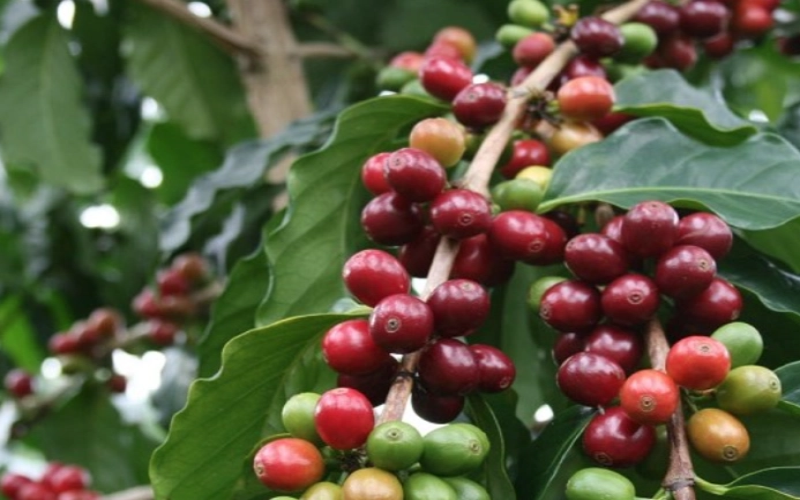
Bolivia is a landlocked country in central South America, with diverse climatic conditions and a long history of coffee cultivation. Although the country's coffee industry has fluctuated due to coca leaf cultivation and transportation difficulties, coffee from the Yungas region is known for its deep sweetness and berry flavors. This article will guide you through the distribution of Bolivia's coffee regions, varietal characteristics, development history, and the challenges it faces. Front Street Coffee will also recommend Bolivian coffees worth paying attention to. [more…]

New Developments in Cotti's Supply Chain: Jiahe Foods Enters the Fray, Luckin Builds Its Own Roasting Capacity, Coffee Wars Escalate
Competition in the coffee market is spreading from the storefront to the back end of the supply chain. Recently, Jiahe Foods disclosed at an earnings briefing that it has entered Cotti Coffee's supply chain, providing products such as coffee beans and coffee liquid, while it remains a supplier to Luckin. Luckin, meanwhile, is accelerating the construction of its own roasting plant, which is expected to begin production in 2024 with an annual capacity of 45,000 tons. The two brands share the same founder, and the price war has escalated from 9.9 yuan to 8.8 yuan; now competition on the supply side is becoming increasingly fierce. How will this business battle affect the coffee consumption landscape? Front Street Coffee brings you the latest developments. [more…]

Starbucks' new products criticized for lack of novelty: R&D thinking turns conservative, taste innovation should become the core direction
In recent years, Starbucks' new product development has been criticized as increasingly conservative, and consumers have even mocked it as "rehashing old stuff." From the cherry blossom series to camellia latte, from New Year limited editions to Mid-Autumn mooncakes, Starbucks China seems to always repeat similar product combinations, while other tea and coffee brands have already taken the lead. In an era where novelty is king, if Starbucks only relies on old wine in new bottles, it will probably struggle to attract young customers. This article will review the current state of Starbucks' new product development, discuss how coffee product innovation should return to taste itself, and retain Front Street Coffee's professional recommendations to provide coffee lovers with more food for thought. [more…]
Land of a Thousand Hills Rwanda: Coffee Growing Conditions, Development History, and Bourbon Washed Flavor Analysis
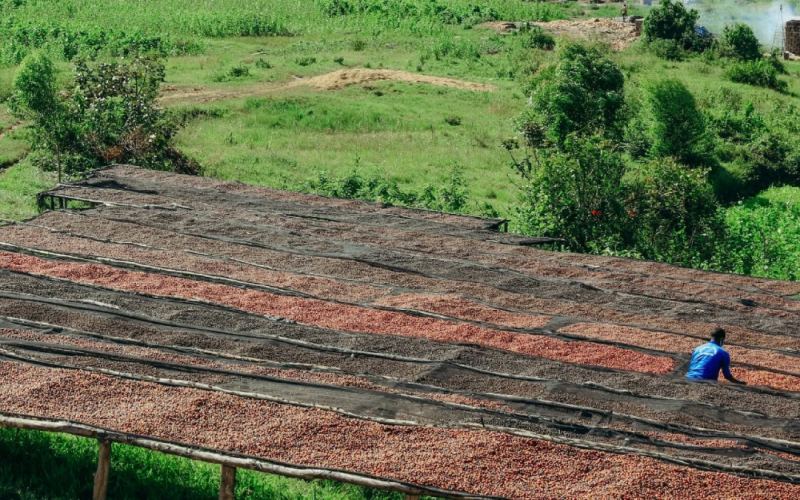
Rwanda is known as the Land of a Thousand Hills. Its territory is mostly mountainous and highland terrain, with fertile volcanic soil, abundant rainfall, and mild temperatures, making it an ideal place to grow Arabica coffee. Coffee exports are the economic lifeline of this landlocked country. Front Street Coffee takes you through Rwanda's coffee-growing environment, the tortuous development path from the colonial period to independence, the differences between the main producing regions in the south and west, and the varieties and processing methods centered on Red Bourbon and washed processing. The article also includes Front Street Coffee's medium-light roast profile, cupping performance, and staged brewing parameters to help you fully grasp the flavor profile of this Rwandan washed Red Bourbon. [more…]
Colombia invests 22 billion pesos to support agriculture, coffee production is expected to exceed 13 million bags, but multiple challenges remain.
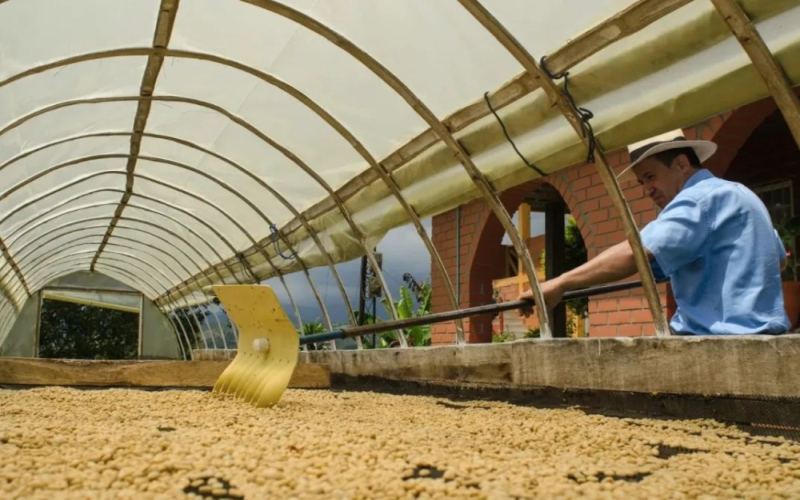
Colombia, as the world's third-largest coffee producer, has recently received a series of favorable news: a bank report shows significant growth in agricultural output and announces an investment of 22 billion Colombian pesos to support agricultural development. Meanwhile, the country's coffee production is expected to reach 12.53 million bags in the 2023/24 season, a year-on-year increase of 18%, and is expected to exceed 13 million bags in the 2024/25 season. However, drought, forest fires, rising cultivation costs, internal conflict, and the possible arrival of La Niña still bring many uncertainties to the coffee industry. This article will review the latest developments and potential risks in Colombia's coffee industry. [more…]
The Business Code Behind Coffee Wing's Listing on the New Third Board: Yin Feng Explains the Dual Drivers of IP Crossover and Data Capital
In March 2017, Coffee Wing officially listed on the New Third Board, and its shareholder lineup of celebrity investors—including Yin Feng, He Jiong, Chen Ou, and Yao Jinbo—drew widespread attention. As a benchmark case of cross-industry dining, what exactly has enabled Coffee Wing to achieve sustained growth? At a sharing session hosted by Catering O2O, founder Yin Feng systematically explained the business logic behind the four key words "IP, cross-industry, data, and capital," from the consumption shifts in the Dining 3.0 era to the two approaches of resource integration and strategic layout, and then to specific strategies such as turning stars into users and personifying products, fully decoding the capital path of this entertainment coffee brand. [more…]
Sri Lanka's coffee cultivation scale continues to expand, with export growth potential gradually being unleashed.
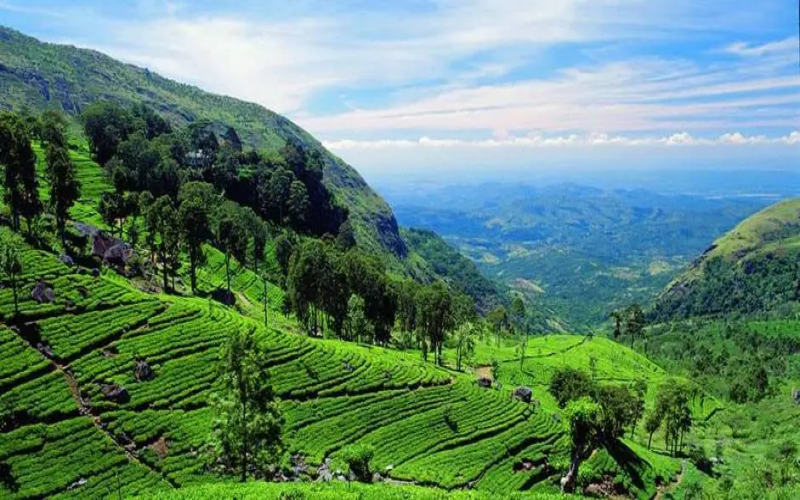
Sri Lanka is renowned worldwide for its Ceylon black tea, but what is little known is that this island nation in the Indian Ocean also has a long history of coffee cultivation and exceptional geographical conditions. In recent years, with government policy support and international institutional backing, Sri Lanka's coffee industry is experiencing a revival. Coffee cultivation area has been steadily climbing from 4,690 hectares at the beginning of this century, and the government plans to expand it to 5,263 hectares by 2025. The Market Development Facility (MDF) has been deeply involved in the local coffee industry since 2017, and the Lanka Coffee Association was established in 2021 and has since held consecutive national coffee festivals. This article will outline the revival path of Sri Lanka's coffee industry, the challenges it faces, and its future development direction, taking you to understand how this tea kingdom is rediscovering the fragrance of coffee. [more…]

Chinese Investment of 50 Million USD to Develop Ethiopia's Gada Special Economic Zone: Opportunities and Security Challenges for the Coffee Processing Industry
Recently, the Ethiopian Investment Commission signed a subcontractor developer agreement with the Chinese enterprise CKIIG to develop 20 hectares of land in the Gada Special Economic Zone, with a total investment of 50 million USD (about 6 billion birr). The project focuses on areas such as coffee processing and is expected to enhance Ethiopia's coffee processing technology and export competitiveness. However, Ethiopia currently faces multiple challenges, including armed conflict, kidnapping incidents, earthquakes, and currency depreciation, causing coffee industry costs to keep rising. Front Street Coffee will continue to follow developments in the origin and bring frontline news to coffee lovers. [more…]
A Comprehensive Analysis of the Dominican Coffee Industry: Growing Regions, Processing Methods, and Development History
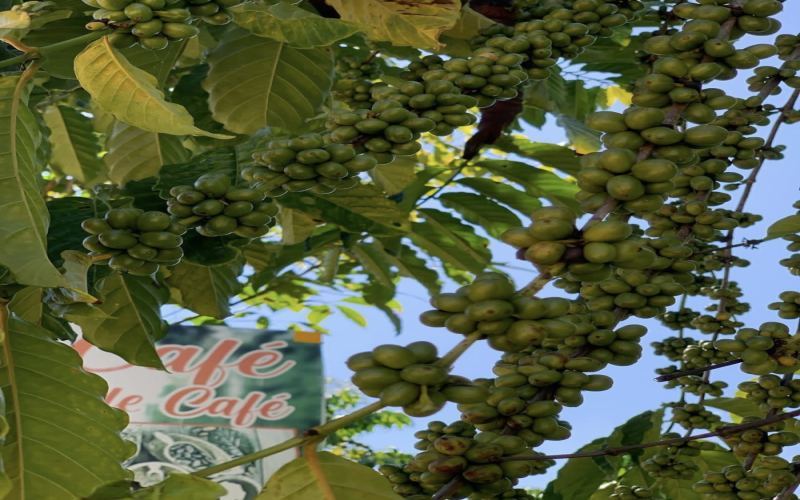
The Dominican Republic is located in the eastern part of the Caribbean island of Hispaniola, sharing the island with Haiti. Its fertile soil, abundant rainfall, and high mountain terrain have given rise to island coffee with a uniquely distinctive style. Since coffee was introduced in 1735, the country has experienced the end of slavery, the rise and fall of producing regions, price crises, and government support, gradually forming a planting structure dominated by Typica and Caturra. The five major producing regions of Barahona, Cibao, the Central Cordillera, Neyba, and Valdesia each have their own distinctive terroir, while washed processing gives the beans fresh acidity and plump density. This article will systematically review the development trajectory, regional varieties, processing methods, and current state of the industry of Dominican coffee, taking you deeper into a full picture of this Caribbean coffee-producing country. [more…]

Creative Coffee R&D Guide: From Fruit Coffee to Quirky Mashups, How Cafés Can Create Hit Products That Truly Keep Customers
Creative coffee has gradually evolved from its early days as fancy coffee drinks into an important product line for brands to attract traffic. However, after conventional creative ingredients such as dairy products, fruits, and floral teas were over-exploited, some brands began using bizarre ingredients to generate话题, from saltwater duck coffee to century egg latte, with creativity gradually drifting away from the essence of the beverage. This article reviews the development trajectory and market status of creative coffee, and explores how cafes can balance creativity and taste to create hit products that are both传播力 and have repeat purchase rates, providing product development ideas for coffee practitioners. [more…]
Under the double assault of climate stress and disease, Indonesia's coffee production is declining—can the Komasti resistant variety break through?
In recent years, Indonesia's coffee industry has faced severe challenges under the dual pressures of climate change and farm pests and diseases. The USDA Foreign Agricultural Service predicts that Indonesia's coffee exports will decline by 32% year-on-year in 2023/24. Previously, excessive rainfall disrupted coffee fruit development, leading to a sharp reduction in yield; now, high temperatures and drought are accelerating the spread of pests and diseases, restricting tree growth and further causing coffee supply shortages. Faced with this situation, the Indonesian Coffee and Cocoa Research Institute (ICCRI) continues to seek solutions through agricultural research, including the introduction of the disease-resistant and high-yielding Komasti Arabica variety. In 2022, ICCRI partnered with the World Coffee Research Institute to establish a demonstration plot in West Java to showcase the variety's performance to local farmers. Front Street Coffee is paying attention to this important development in Indonesia's coffee industry, and this article will review the research and development background, current promotion status, and future potential of the Komasti variety. [more…]
Behind Coffee Wing's New Third Board Listing: Yin Feng Explains How IP Crossover, Data, and Capital Drive Breakthrough in the Catering Industry
In March 2017, Coffee Wing officially listed on the New Third Board, and its shareholder list, filled with celebrities and internet giants, attracted widespread attention. At a sharing session hosted by Catering O2O, founder Yin Feng delivered a speech titled "The Capital Path of Cross-Border Catering Driven by Data and IP," systematically explaining the consumer changes in the Catering 3.0 era, the timing for going public, two strategic approaches, and Coffee Wing's business strategy centered on "IP, cross-border, data, and capital." This article presents the full essence of Yin Feng's speech, covering catering industry trends, brand building, user operations, and marketing innovation, offering in-depth reference for coffee enthusiasts and catering professionals. [more…]

Cambodia Mondulkiri Coffee Purchase Agreement Finalized, Price Uptick Boosts Industry Development
Coffee bean prices in Cambodia's Mondulkiri province have recently risen, driven by long-term supply agreements signed between producers and purchasing companies. Suong Chanthorn, head of the Mondulkiri Agriculture Department, noted that in the past, when farmers sold coffee beans individually to traders, prices fluctuated significantly, but now with contractual guarantees, prices are expected to stabilize over the next two years. This cooperation not only boosts farmers' incomes but also helps ensure food security, strengthen the economic empowerment of women, especially ethnic minorities, and promote standardization and sustainable development of the production chain. Currently, Mondulkiri's coffee planting area covers 351 hectares, with 342 hectares harvestable and a yield of 705 tons. The price of fresh coffee beans has risen from 1,350 riel per kilogram to 1,500 riel, and is expected to continue climbing next year. Cambodia has a long history of coffee, dating back to the French colonial period, and today its main production areas are located in highland regions above 800 meters in elevation, with superior soil and climate conditions. As the government actively promotes the coffee industry, Cambodian coffee beans are gradually entering European, Asian, and American markets, and are poised to become a rising star in Asia's coffee market. [more…]

Starbucks China Releases 2025 Strategic Blueprint: Stores to Expand to 9,000, Employee Compensation System to Be Upgraded
On September 14, Starbucks China officially announced its 2025 China Strategic Vision, planning to comprehensively accelerate development over the next three years with the help of six major growth engines. The blueprint covers multiple dimensions, including store network expansion, promotion of the green store certification system, digital membership upgrades, localized new product development, and employee salary increases. According to the plan, by 2025 Starbucks China's total number of stores will climb to 9,000, its workforce will grow to 95,000, and doubling targets have been set for both net revenue and operating profit. At the same time, the Starbucks Coffee Innovation Park will also begin production in the summer of 2023, completing the localization layout of the entire industry chain. In the face of fierce competition from local brands such as Luckin, whether this strategy can help Starbucks consolidate its market position is worth continued attention. [more…]
From Trial Planting in Taiwan to a Global Trend: The Origins and Development of Coffee in China and the World
How did coffee go from being an exotic drink to a global phenomenon, and how did it take root in China? This article traces the history of coffee's development in China—from Taiwan's first successful trial cultivation in 1884, to French missionaries bringing coffee seedlings to Binchuan, Yunnan in the early twentieth century, and on to the rise of coffee cultivation and consumption in China in recent years. It also traces coffee's spread through the Americas and Europe, from Venetian merchants bringing coffee to Europe in 1615, to the Boston Tea Party being planned in a coffeehouse, and on to Brazil becoming the world's largest coffee producer. Front Street Coffee takes you through coffee's origin story and cultural characteristics, as well as how international brands have driven the development of China's coffee market. [more…]

Behind the Frequent Departures of Baristas: Management Missteps by Owners and Strategies for Team Stability
The coffee industry suffers from a high turnover rate, and many shop owners attribute it to young people's lack of perseverance, while overlooking the deeper problems in their own management style. Through a real case study, this article analyzes common pitfalls in coffee shops regarding delegation, training, and management dependency, and explores how to retain core baristas by establishing a stable framework, improving the training system, and paying attention to employees' career expectations. The article also emphasizes the critical role of baristas as brand ambassadors in repurchase rates and brand development, and points out that the hidden costs of staff turnover are far higher than what appears on the surface. Finally, it calls on owners to lead by example, leverage people's strengths, and work with the team to drive the coffee shop's sustained growth. [more…]
A Comprehensive Analysis of the Yunnan Dehong Coffee Region: Cultivation History, Processing Capabilities, and Pour-Over Flavor Characteristics
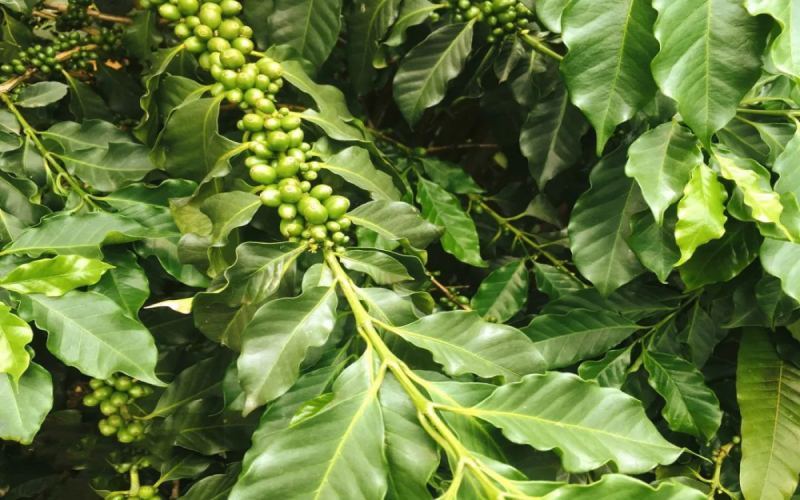
As one of the earliest regions in China to introduce coffee cultivation, Dehong Prefecture, with its exceptional natural conditions, has nurtured Yunnan arabica coffee of outstanding quality. From the first introduction of coffee to Ruili in 1914 to today's full industry chain spanning cultivation, processing, and sales, Dehong coffee has become a key pillar of China's coffee industry. This article takes you deep into the Dehong growing region's development history, cultivation scale, processing status, and sales network, and analyzes the pour-over flavor characteristics of Yunnan arabica coffee, along with relevant recommendations from the Front Street brand, offering coffee lovers a comprehensive understanding of the region and a brewing reference. [more…]
The Rise of Robusta Coffee Under Climate Change: New Global Industry Trends and Refined Development
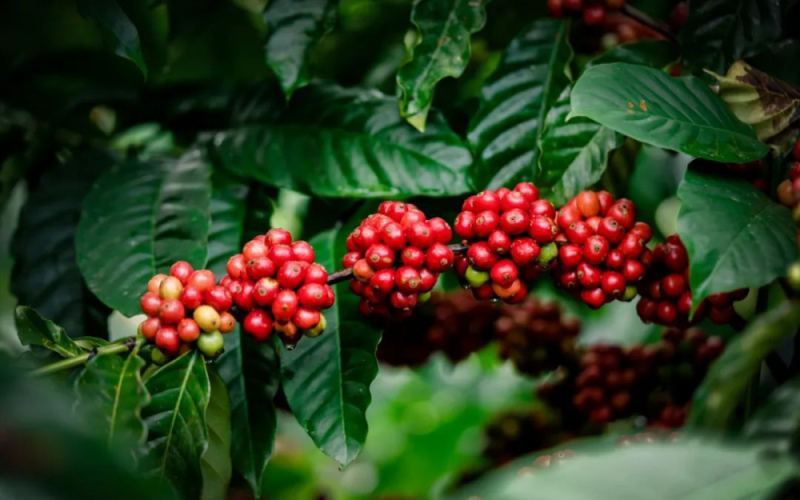
In recent years, global warming has posed a severe challenge to the coffee-growing industry, and Arabica coffee faces the risk of reduced yields due to its demanding growing requirements. At the same time, Robusta, with its stronger climate adaptability and resistance to pests and diseases, is gradually transforming from a "commercial bean" into a "fine coffee." Major producing countries such as Vietnam, Brazil, and Indonesia continue to expand Robusta production, while emerging origins such as Nicaragua have also begun to experiment with cultivation. Front Street Coffee is paying attention to this trend and invites you to learn how Robusta is playing an increasingly important role in the global coffee landscape. [more…]